

What is a Physical Bitcoin? The Real-World Version of BTC
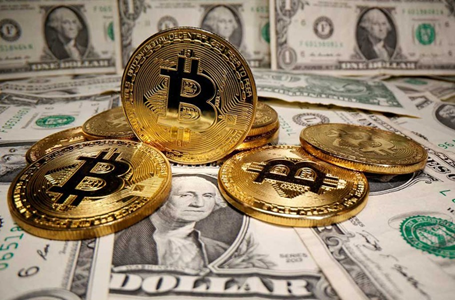
Physical Bitcoins may come as a surprise to those who think that Bitcoin exists only in the digital environment. However, in 2011, Mike Caldwell introduced the idea of physical bitcoins, a tangible version of the digital currency. Prior to that, since its inception in 2009, Bitcoin had existed only as a digital asset.
Mike Caldwell was an early Bitcoin believer, before the cryptocurrency became a global phenomenon. Under the pseudonym Casascius, he launched the first physical bitcoins.
- Understanding physical bitcoins
- Components of physical bitcoins
- Short-term success
- Other physical bitcoins
- Legality of owning physical bitcoins
- FAQ
Understanding physical bitcoins
On September 6, 2011, Casascius posted a thread on BitcoinTalk, explaining why he created the idea of physical bitcoins. His main point was to increase the chances of Bitcoin becoming a real currency.
Caldwell's physical bitcoins looked like regular coins, but what was special was that they contained a certain amount of BTC inside through a private key embedded on the coin. At that time, the cost of producing a physical bitcoin was 1.25 BTC, so Caldwell decided to set the value of each physical coin at 1 BTC.
Components of physical bitcoins
Each physical bitcoin had a BTC address embedded on its surface. When owning this coin, users can use their private keys to access and convert the corresponding amount of BTC. This is what makes physical bitcoins unique, combining the digital value with the tangibleness of a real asset.
A user named 'The Joint' on the Bitcoin forum wrote that although these coins looked great, he was not sure they had investment value because the Bitcoin market was still new. At that time, 1 BTC was only worth $6.86.
Short-term success
Surprisingly, Casascius' physical bitcoins were a huge success as many people started buying them. Initially, there was only a 1 Bitcoin version, but due to high demand, Caldwell produced larger versions such as 10 BTC, 25 BTC, 100 BTC and even 1,000 BTC.
By 2013, after selling about 28,000 physical Bitcoins, the invention ended. However, the value of physical bitcoins has increased significantly over time. For example, a 1,000 BTC coin in early 2025 is worth $109 million.
Other physical bitcoins
Casascius's invention has inspired many other physical versions of bitcoin. Today, there are many ways to represent Bitcoin in physical form, such as paper wallets, commemorative coins, and even jewelry that contains the private key.
A prime example is the MJB physical bitcoin, launched in 2013, which was part of a series of collectible coins. These coins still follow Casascius's principles but are designed to appeal to collectors.
Legality of Owning Physical Bitcoins
If you live in a country where cryptocurrencies are legal, owning physical bitcoins is not a problem. However, manufacturing and selling physical bitcoins may violate financial regulations, requiring registration and compliance with the relevant authorities.
Also, be wary of counterfeit products. Genuine physical bitcoins often come with a private key or QR code that links to a specific amount of BTC. This allows users to verify the authenticity of the coin before considering it real.
FAQ
What are physical bitcoins?
Physical bitcoins are a tangible version of BTC, usually a coin with a BTC address and private key embedded on the surface.
Who created physical bitcoins?
Mike Caldwell, under the pseudonym Casascius, created physical bitcoins in 2011.
Do physical bitcoins have value?
Physical Bitcoins are valuable not only because they contain BTC, but also because they are rare collectibles, especially the limited edition coins from the early days.
Should You Invest in Physical Bitcoins?
If you are a collector or want to own a piece of cryptocurrency history, physical Bitcoins can be an interesting investment. However, be wary of counterfeit products.