

Cryptocurrency moves from the 'bro era' to a whole new chapter | Opinion

One of the most appealing aspects of cryptocurrency is its anonymity. Bitcoin, for example, was created in 2008 by a mysterious figure under the pseudonym Satoshi Nakamoto, and to this day, the true identity of its founder remains a mystery. This anonymity has given users the opportunity to create their own identities through wallet addresses, adding a layer of security and privacy to their transactions.
How women can start and lead in the blockchain industry | Opinion
One of the core promises of digital currency is the concept of openness and universal accessibility, allowing anyone with an internet connection to participate, regardless of previous financial experience. However, while the nature of cryptocurrency is to promote inclusion, the reality does not always reflect this.
In the early days of cryptocurrency, the industry was dominated by the “crypto bro” – a group of young, tech-savvy, mostly male people who drove the growth of the industry. They played a role in designing projects, developing key protocols, and shaping the culture around digital assets.
However, as the industry matured, efforts were made to include more female voices, to address the gender imbalance and bring fresh perspectives to the industry.
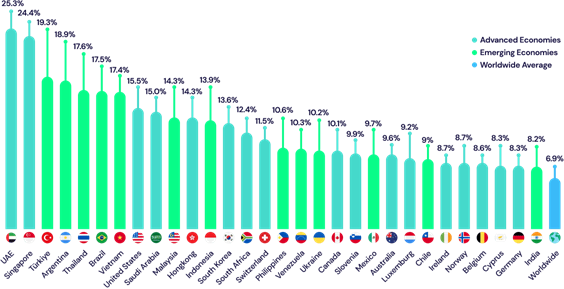
According to a 2024 study, there are now more than 560 million crypto holders globally, with 61% being men and 39% being women. This is up from the previous year, when the total number of owners was just 420 million, of which only 37% were women, indicating a positive change.
Organizations Promoting Gender Balance in Crypto
In response to this trend, a number of organizations have emerged to address the gender imbalance in crypto. Conferences and events that were previously geared toward men have shifted to include and expand opportunities for women.
For example, the Association for Women in Crypto (AWC), founded in 2022, is a platform for women who want to learn and advance their knowledge of crypto. Led by Amanda Wick, AWC hosts online and in-person workshops where women can learn from experts and connect with mentors.
Binance also recently announced that it will be hosting global programs dedicated to women through its Binance Academy platform, in celebration of International Women’s Day. The events will be held across 11 locations across 5 continents to help women easily enter the industry.
Women in DeFi: On the Rise
While women have made great strides in the decentralized finance (DeFi) space, making up around 40% of the workforce at Binance, leadership positions are still dominated by men. However, some women have established themselves as important leaders in the space.
One such example is Perianne Boring, founder and CEO of The Digital Chamber, a blockchain advocacy organization. She works closely with the US Congress to promote and regulate blockchain technology, becoming a key voice in shaping the future of finance. Her role in the industry has helped push for the legalization of digital assets.
Joanna Liang, another leader, is a founding partner of Jsquare, an investment firm focused on blockchain and web3 technology. Using her experience as CIO of Digital Finance Group (DFG), she launched Jsquare’s latest fund, the Pioneer Fund, which raised $50 million. The fund invests in crypto startups, including PayFi and consumer apps.
Laura Shin: A Pioneer in Crypto Media
Laura Shin is also a notable figure in crypto media, known for being the first mainstream reporter to cover the space full-time. She is the author of the book The Cryptopians and the host of the podcast *Unchained*. With an extensive knowledge of crypto, Laura has shared her views at events such as TEDx San Francisco and the International Monetary Fund.
Women’s Progress in the Past 16 Years
Over the past 16 years, women have contributed significantly to legitimizing crypto assets and helping to change the way they are viewed. From developing new technologies to creating more reliable financial tools, women have been contributing to a more inclusive and diverse financial space.