

Coinbase Hack Overshadowed S&P’s Rise—And Investigators Saw It Coming
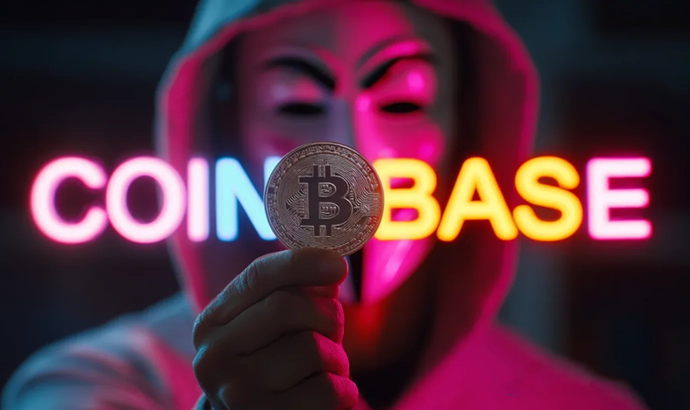
When Coinbase disclosed a massive data breach on May 15, the fallout not only sent shockwaves through the crypto community, but it also cast a shadow over the company’s celebrated entry into the S&P 500. What’s even more troubling: The signs of trouble had been there for months—but no one listened.
Inside Coinbase’s Massive Data Breach
Coinbase, one of the world’s largest cryptocurrency exchanges, confirmed that a small number—less than 1% of its 9 million monthly trading accounts—had been affected in a user data leak. Tellingly, the attack was not the result of a technical flaw, but of a human one.
Specifically, the hackers bribed overseas customer support contractors to gain access to internal systems. Insiders disabled standard protections, giving digital criminals access to sensitive information like real names, emails, phone numbers, addresses, and even (partial) Social Security numbers for US users.
Coinbase insists that no digital assets, private keys, or API information were compromised—but that doesn’t quell the outrage. The stolen data is more than enough to open the door to sophisticated phishing and identity theft attacks.
Financial Earthquakes and Market Reactions Are Cold
On the day Coinbase announced the incident, its stock (COIN) immediately fell 7.2% to close at $244.44, overshadowing the joy of being included in the S&P 500 index—which is often seen as a sign of maturity and credibility.
Coinbase says the breach could cost it as much as $400 million, including remediation costs, refunds to users, and potential lost revenue.
A months-long scheme — and ignored warnings
Although the company only publicly disclosed the breach in mid-May, the first warnings came in February, from prominent independent blockchain investigator ZachXBT.
Together with analyst Tanuki42, he tracked dozens of social engineering scams that occurred in December 2024 and January 2025. The Coinbase support impersonators used user details to launch sophisticated attacks: spoofing phone numbers and support emails, and luring users into voluntarily providing access to their wallets.
Some victims lost hundreds of thousands of dollars, with a wallet address called “coinbase-hold.eth” suspected of being the destination of funds from more than 25 other victims.
Coinbase’s Suspicious Silence and Lack of Transparency
ZachXBT also pointed to serious operational flaws at Coinbase, such as misconfigured APIs, verification codes sent to the wrong recipients, and vulnerabilities in the Coinbase Commerce system that made it easier to launder money from the hacks.
He was highly critical of the delay in identifying the malicious addresses and said that many victims had contacted him after failing to receive timely support from Coinbase – especially those living outside the United States.
Coinbase’s Response – and a Public War
After rejecting a $20 million ransom from the hackers, Coinbase counterattacked by offering a $20 million reward for information leading to the identity of those behind the attack.
At the same time, the company has implemented a series of new security measures such as:
Additional identity verification for large withdrawals
Anti-fraud reminders during the transaction process
Withdrawal limits and transaction delays for accounts flagged as high-risk
A new customer support center is also being built in the United States, aiming to reduce reliance on foreign personnel – which was exploited in this incident.
Can Coinbase restore trust?
ZachXBT acknowledges that Coinbase still offers valuable features such as convenient stablecoin deposits and withdrawals, a friendly DeFi interface, and a role in the Base layer-2 ecosystem. However, he stressed that decisive action is needed from leadership, including:
Removing phone numbers as an optional authentication factor
Increasing security limits for new and sensitive accounts
Prosecuting domestic and international fraudsters aggressively
Conclusion: Lessons from a forewarned breach
The Coinbase data breach is a major wake-up call—not just for crypto exchanges, but for the entire digital finance industry as it moves toward mainstream adoption. A human error can wipe out billions of dollars in market capitalization, and a delay in transparency can turn off customers, regardless of whether the company is in the S&P 500.
In the world of crypto, trust is the most valuable asset. And once lost, it is hard to regain.