

Bitcoin Exposure or Just “Fiat in Disguise”? The Fierce Debate Between Treasury Firms and the Crypto Community
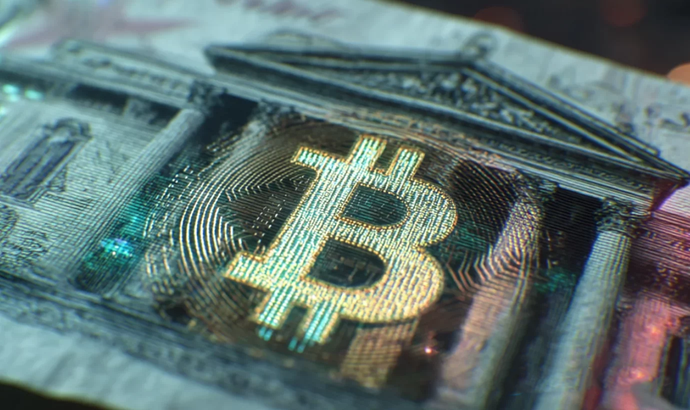
As Bitcoin treasury firms expand their influence on Wall Street, the crypto community is deeply divided: is this a major step toward making Bitcoin more accessible to traditional investors, or is it just a way to “sugar coat” fiat assets under the guise of paper Bitcoin?
The “Paper Bitcoin” Boom and the Decline of Self-Custody
Bitcoin treasury firms, institutions that accumulate large amounts of BTC on their balance sheets, often through debt, are offering investors “indirect exposure” to Bitcoin through stocks and financial products. But this also raises the question: is the self-custody and direct ownership movement fading away?
Since 2021, when billionaire Elon Musk criticized a digital wallet for not allowing users to hold private keys with the famous phrase “Your app sucks,” the spirit of “not your keys, not your coins” has gradually faded in the wave of Bitcoin financialization.
Bitcoin ETFs and Treasury Company Stocks: Investing or Copying?
Products such as MicroStrategy stock (MSTR) or BlackRock’s Bitcoin ETF (IBIT) are being seen as popular ways to access Bitcoin without holding it directly. Investors buy these assets hoping that their value will reflect the price of Bitcoin, but in essence, they are still “paper Bitcoins”.
Owning these stocks or ETFs does not mean you have control over real BTC, but rather exposure through an intermediary - which makes many skeptics think that these are no different from fiat assets “repackaged” in a Bitcoin shell to attract investors.
Polarized Thought: Bring Bitcoin to Wall Street, or Wall Street to Bitcoin?
Firms like BlackRock, Fidelity, and MicroStrategy have been hailed as “legitimizing” Bitcoin within the traditional financial system, bringing the digital currency to millions of institutional investors.
However, Bitcoin’s original proponents argue that what is being exposed is not real Bitcoin, and that Bitcoin’s core idea of financial freedom is being diluted by the control of large financial institutions.
The Future: Will Bitcoin Become a Commodity or Still a Revolutionary Movement?
Bitcoin’s rise in the traditional financial markets presents both opportunities and risks. The opportunities lie in its popularity, liquidity, and legal recognition. The risks come from Bitcoin being “locked in” to the framework of assets that are managed, controlled, and taxed like securities, losing its original decentralized nature.